





 0
0
 0
0
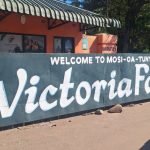
At first glance, it is a simple road sign. Three arrows. Three destinations. Three nations.
Zambia straight ahead. Zimbabwe to the right. Namibia to the left. Yet this image captures something far deeper than directions, it tells the story of Africa itself: a continent where borders may divide maps, but culture, people, food, history, and spirit remain profoundly interconnected. This crossroads is not just about geography. It is about identity, movement, heritage, and the immense tourism potential rooted in Africa’s diversity.
Zambia: The Warm Heart of Southern Africa
Zambia stands at the center geographically and culturally. Known for the thunderous majesty of Victoria Falls (Mosi-oa-Tunya), Zambia’s tourism offering goes far beyond scenery. It is found in its people, renowned for warmth, hospitality, and quiet strength. From the rhythm of traditional ceremonies like Kuomboka, to local cuisine such as nshima with relishes, Zambia offers visitors authenticity without pretense. Zambia’s appeal lies in its balance: modern yet grounded, adventurous yet peaceful. It is a gateway country, one that invites exploration both inward and outward.
Zimbabwe: Heritage, History, and Cultural Pride
To the right, Zimbabwe carries a legacy etched in stone, story, and spirit. Home to Great Zimbabwe, one of Africa’s most powerful ancient civilizations, the country represents resilience and deep cultural consciousness. Its arts, spoken traditions, and culinary heritage, like sadza, game meats, and locally inspired dishes, tell stories of survival and creativity. Zimbabwe’s tourism experience is immersive. Visitors do not simply observe; they engage. They listen, learn, and feel the weight of history carried proudly into the present.
Namibia: Landscape, Simplicity, and Indigenous Wisdom
To the left, Namibia opens into vast skies and ancient land. From the red dunes of Sossusvlei to the skeletal coastlines of the Atlantic, Namibia’s tourism identity is defined by space, silence, and sustainability. Its cultural richness lies in indigenous communities such as the Himba and San, whose traditions offer lessons in coexistence with nature. Namibian cuisine reflects this environment; simple, hearty, and resource-conscious. Here, tourism is not rushed; it is reflective, rooted, and respectful.
Food as Identity Across Borders
Across these three countries, food becomes a shared language with regional accents.
Maize-based staples connect Southern Africa, yet each nation expresses it differently. Spices, preparation styles, and communal eating practices reflect values of family, resilience, and hospitality. Food in Africa is never just sustenance, it is ceremony, memory, and belonging.
Tourism Beyond Borders: Africa as a Collective Destination
This single road sign quietly challenges how Africa is marketed globally. Too often, African countries are promoted in isolation, competing rather than collaborating. Yet this image suggests another truth: Africa’s greatest tourism strength lies in its connectivity. A traveler can experience multiple worlds within hours, different languages, cuisines, landscapes, and traditions without ever leaving the continent.
Cross-border tourism initiatives, shared cultural festivals, and regional travel corridors could redefine Africa as a seamless, diverse, and world-class destination.
People: The Common Thread
What ultimately binds Zambia, Zimbabwe, and Namibia and Africa as a whole is its people.
Across borders, you find shared values: respect for elders, community living, storytelling, resilience, and joy. These human connections are Africa’s most powerful tourism asset, often underestimated yet unforgettable to those who experience them.
Africa at the Crossroads
This signpost is symbolic of Africa’s present moment. The continent stands at a crossroads between: being defined by external narratives, or telling its own story through culture, creativity, and tourism. Africa does not need to become something else to attract the world. It simply needs to present itself, truthfully, proudly, and collaboratively.
Many Directions, One Destination
Zambia. Zimbabwe. Namibia.
Different paths. Distinct identities. One continent. This image reminds us that Africa is not a single story, it is a collection of journeys that intersect, overlap, and enrich one another. To travel Africa is not just to move across borders. It is to move through history, culture, people, and possibility.
And at every crossroads, Africa invites the world to choose not just a direction, but a deeper understanding.


About Author